
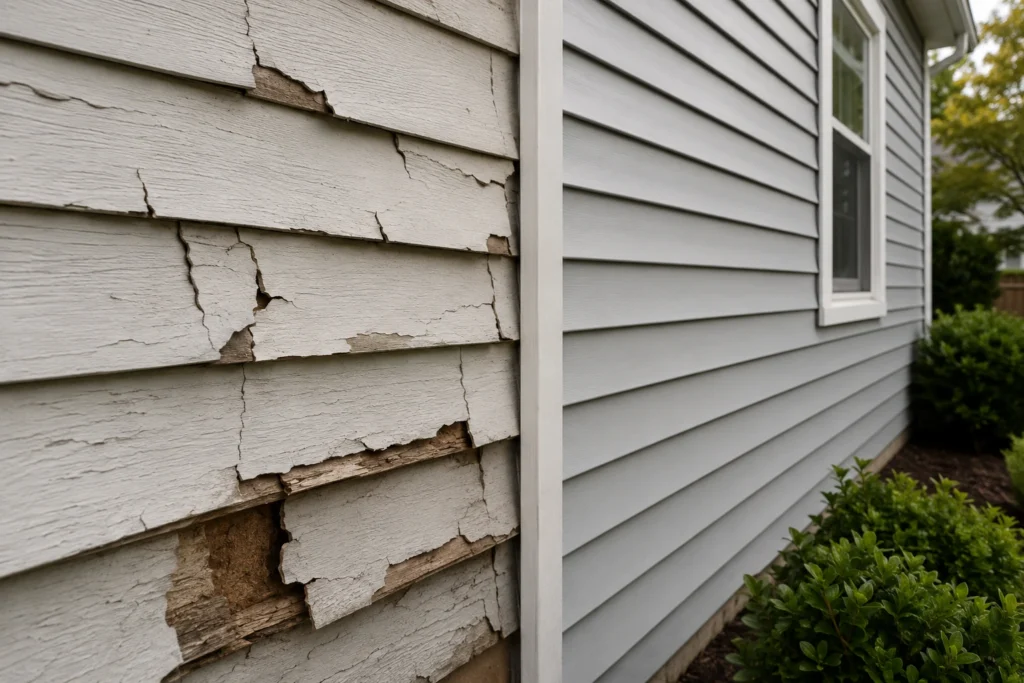
Your home’s siding does more than improve curb appeal — it protects your property from moisture, wind, pests, and harsh Illinois weather. Over time, even high-quality siding begins to wear down, reducing your home’s protection and energy efficiency.
But how do you know when it’s time for replacement instead of another repair?
In this guide, we’ll cover the most common signs you need new siding for your home, why delaying replacement can become costly, and how professional siding installation can protect your investment long term.
Why Your Home’s Siding Matters?
Siding acts as your home’s first line of defense against:
- Rain and snow
- Extreme heat and freezing temperatures
- Wind and storm damage
- Moisture intrusion
- Energy loss
Damaged or aging siding can lead to expensive structural problems if left untreated.
That’s why many homeowners work with experienced professionals offering siding installation services in Joliet to ensure their exterior stays durable, efficient, and visually appealing.
1. Cracks, Warping, or Loose Panels
One of the clearest signs your siding needs replacement is visible physical damage.
Watch for:
- Cracked panels
- Warped boards
- Bubbling or blistering
- Loose sections after storms
Warping often indicates trapped moisture underneath the siding, which can eventually damage your home’s structure.
Small isolated damage may be repairable, but widespread deterioration usually means replacement is the better long-term solution.
2. Rising Energy Bills
If your heating and cooling costs continue increasing, your siding may be contributing to energy loss.
Old or damaged siding allows:
- Drafts
- Heat transfer
- Moisture penetration
- Poor insulation performance
Many Illinois homeowners upgrade siding specifically to improve efficiency and lower utility bills year-round.
3. Frequent Need for Repairs
Occasional repairs are normal, but constant maintenance is often a sign your siding is nearing the end of its lifespan.
If you’re repeatedly fixing:
- Cracks
- Holes
- Moisture damage
- Loose panels
…it may be more cost-effective to replace the siding entirely.
Before making a decision, many homeowners research the cost of siding installation for different home sizes to compare repair expenses versus replacement value.
4. Mold, Mildew, or Fungus Growth
Moisture buildup behind siding can lead to:
- Mold
- Mildew
- Fungus
- Rotting wood underneath
These issues commonly appear near seams or lower wall sections.
If you notice interior moisture problems alongside exterior siding damage, replacement may be necessary to prevent structural deterioration.
5. Fading or Peeling Exterior
Severe fading often means your siding’s weatherproofing has weakened.
Signs include:
- Uneven color
- Chalky texture
- Peeling finishes
- UV damage
Older siding that no longer protects against weather exposure may struggle during harsh Illinois winters and summer heat.
6. Rotting or Soft Areas
Wood or engineered siding may eventually rot due to prolonged moisture exposure.
Check for:
- Soft spots
- Crumbling edges
- Swollen boards
- Insect activity
Rot can spread quickly beneath the surface, making prompt replacement critical.
7. Interior Wall Damage
Sometimes siding problems show up inside your home first.
Warning signs include:
- Peeling paint indoors
- Water stains
- Drafty rooms
- Mold near exterior walls
These symptoms may indicate moisture intrusion caused by failing siding.
8. Storm or Hail Damage
Illinois weather can be tough on exterior materials.
Heavy wind, hail, and storms may cause:
- Cracks
- Dents
- Missing panels
- Water infiltration
After major storms, it’s wise to schedule a professional inspection to determine whether repair or replacement is the safer option.
9. Pest Infestations
Damaged siding creates entry points for:
- Insects
- Rodents
- Moisture-loving pests
If you notice holes or nesting activity near your siding, replacement may help prevent further infestation and structural damage.
10. Your Siding Is 20+ Years Old
Even durable siding materials have a lifespan.
Average siding lifespan:
- Vinyl siding: 20–40 years
- Wood siding: 20–30 years
- Fiber cement: 30–50 years
If your siding is aging and showing multiple issues, replacement may improve both protection and home value.
Benefits of Installing New Siding
Replacing old siding offers several long-term benefits:
- Improved Energy Efficiency: Modern siding provides better insulation and weather resistance.
- Enhanced Curb Appeal: New siding dramatically updates your home’s appearance.
- Increased Property Value: Exterior upgrades are attractive to buyers and improve resale potential.
- Reduced Maintenance: Modern siding materials require less upkeep and fewer repairs.
- Better Weather Protection: New siding helps prevent leaks, drafts, and moisture damage.
Why Choose Will County Siding & Windows?
When replacing siding, choosing the right contractor matters just as much as the material itself.
Homeowners trust Will County Siding & Windows because they offer:
✔ Professional siding installation
✔ High-quality materials
✔ Honest recommendations
✔ Local Illinois expertise
✔ Reliable workmanship
✔ Excellent customer service
Their experienced team helps homeowners choose siding solutions designed to handle Illinois weather while improving efficiency and curb appeal.
If you’re considering replacement, their trusted Joliet siding installation services can help you explore the best options for your home.
When Should You Replace Instead of Repair?
Replacement is usually the smarter investment if:
- Damage affects large areas
- Moisture has reached underlying structures
- Energy efficiency is declining
- Repairs are becoming frequent
- Your siding is near the end of its lifespan
A professional inspection can help determine the most cost-effective solution.
Final Thoughts
Recognizing the early signs of siding failure can save you thousands in future repairs and protect your home from long-term damage.
If you notice cracking, warping, moisture problems, rising energy bills, or aging materials, it may be time to consider replacement.
Upgrading your siding improves:
- Protection
- Energy efficiency
- Home value
- Curb appeal
- Long-term durability
If you’re ready to explore replacement options, contact the experts at Will County Siding & Windows for a professional consultation and personalized recommendation.