
Tips for Fixing Drafty Windows
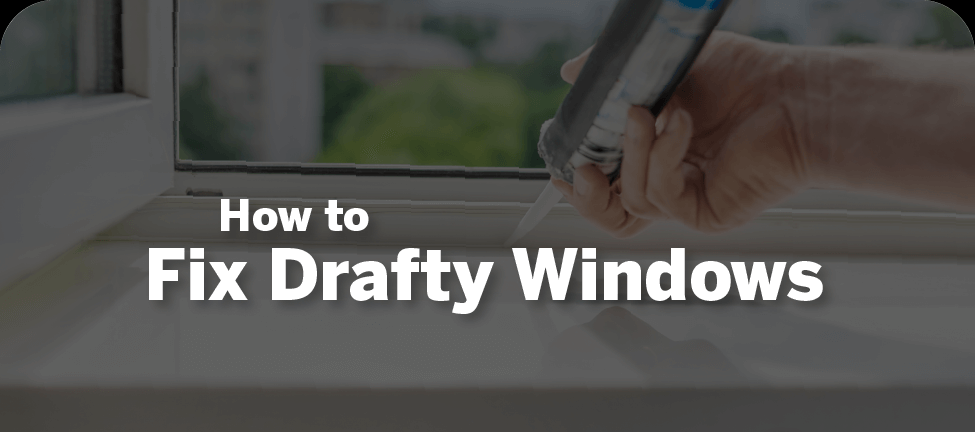
Drafty windows can be a significant problem, especially during colder months. Not only do they make your home uncomfortable, but they can also lead to higher energy bills. Luckily, there are several effective ways to address this issue. Here are some tips to help you fix drafty windows and create a cozier, more energy-efficient home. 1. Identify the Source of the Draft Before you can fix the problem, you need to pinpoint its source. Common culprits include: Use a candle or incense stick near the window edges to detect drafts. You’ve found a leak if the flame flickers or the smoke moves. 2. Seal Gaps with Caulk Applying caulk is an easy and cost-effective solution for gaps around the window frame. Choose a high-quality caulk designed for windows and doors, and follow these steps: 3. Install or Replace Weatherstripping Weatherstripping is essential for sealing movable parts of windows, such as sashes. If your weatherstripping is worn or damaged, replace it with new material. Options include adhesive foam tape, V-strip, or rubber gasket seals. 4. Use Window Film Window insulation film is a temporary solution that can significantly reduce drafts. This transparent plastic film is applied to the interior of windows using double-sided tape and a hairdryer. It creates an insulating barrier, reducing heat loss and preventing drafts. 5. Add Heavy Curtains or Drapes Thick, thermal curtains can help block drafts and keep your home warm. Look for curtains with thermal linings, which provide an extra layer of insulation. 6. Apply Foam or Rubber Sealant For larger gaps or cracks, consider foam sealant or rubber strips. These materials are durable and provide excellent insulation. Cut them to size and fit them into gaps around the window frame. 7. Repair or Replace Damaged Glass If your window glass is cracked or broken, it’s essential to repair or replace it promptly. Small cracks can sometimes be sealed with clear nail polish or epoxy, but replacing the pane is often the best solution for larger damage. 8. Upgrade to Energy-Efficient Windows If your windows are old and beyond repair, it might be time to consider upgrading to energy-efficient models. Double or triple-pane windows with Low-E coatings provide superior insulation and can significantly reduce energy costs. 9. Hire a Professional If DIY solutions don’t work or the drafts persist, it’s time to call in the experts. A professional window contractor can assess the problem and recommend the best course of action, whether it’s repairing or replacing your windows. Final Thoughts Fixing drafty windows is an investment in your home’s comfort and energy efficiency. Whether you choose a quick DIY fix or a professional upgrade, addressing the issue will help you save money on heating and cooling bills while keeping your home cozy all year round. For expert window repair and replacement services, contact Will County Siding and Windows today!
How New Windows Can Help You Save Energy and Lower Bills?
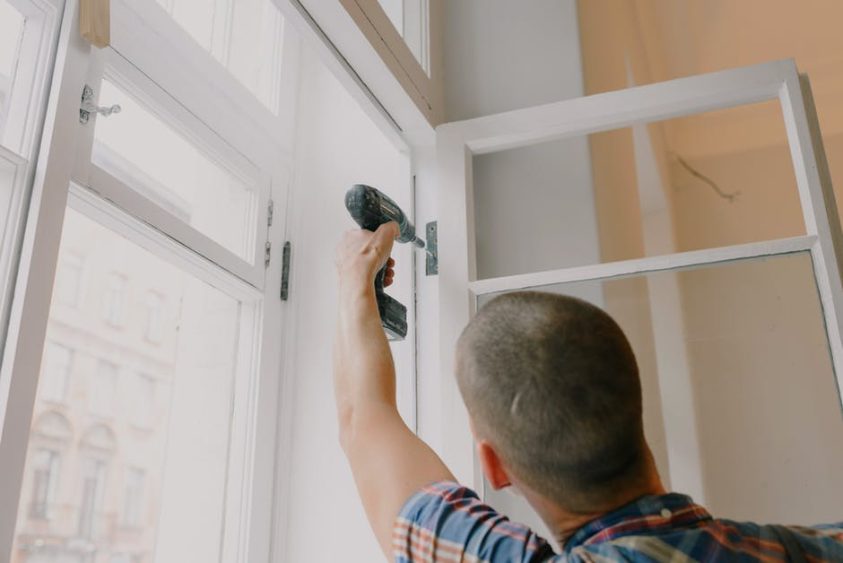
If your energy bills seem to climb every year, your old windows might be part of the problem. Aging, inefficient windows can allow drafts, heat loss, and poor insulation, which forces your HVAC system to work harder to maintain a comfortable indoor temperature. The question is, can new windows help you save on energy costs? The answer is a resounding yes—and here’s why. How New Windows Contribute to Energy Efficiency? How Much Can You Save? While the exact savings depend on factors like your location, the condition of your existing windows, and your home’s insulation, replacing old single-pane windows with Energy Star-rated windows can save you between $125 and $465 annually on energy bills, according to the U.S. Department of Energy. Additional Benefits of New Windows Signs It’s Time for New Windows If you’re unsure whether it’s time to replace your windows, look out for these signs: Choosing the Right Windows At Will County Siding and Windows, we offer a variety of energy-efficient window options to meet your needs and budget. Our experts will guide you through choosing the right styles, materials, and features to maximize energy savings and comfort for your home. Invest in Energy Savings Today Replacing your old windows is an investment that pays off in reduced energy bills, improved home comfort, and a smaller environmental impact. If you’re ready to upgrade your windows and start saving, contact us today for a consultation!
A Quick Comparison of Single, Double, & Triple-Pane Windows
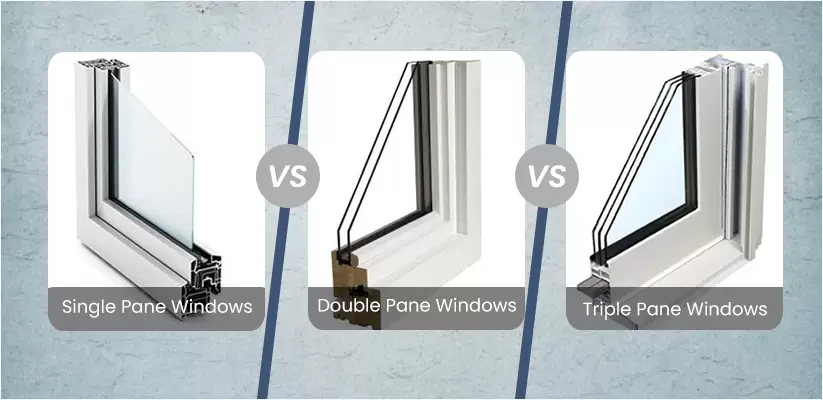
Windows are more than just a view to the outside—they play a vital role in your home’s energy efficiency, noise reduction, and comfort. When choosing new windows, one important consideration is the number of panes: single-, double-, or triple-pane. Each has its unique benefits and drawbacks, and the right choice depends on your priorities, location, and budget. In this guide, we’ll compare single-, double-, and triple-pane windows to help you make an informed decision for your home. What Are Window Panes? Window panes are the layers of glass in a window. The number of panes directly impacts the window’s performance in terms of insulation, soundproofing, and durability. Between the panes of double- or triple-pane windows, insulating gas (such as argon or krypton) is often added to enhance thermal performance. Single-Pane Windows Overview Single-pane windows feature one layer of glass. These windows were standard in older homes but are less common in modern construction due to advancements in energy-efficient technology. Pros Cons Best For Double-Pane Windows Overview Double-pane windows feature two layers of glass with a layer of insulating gas in between. This design makes them significantly more energy-efficient than single-pane windows. Pros Cons Best For Triple-Pane Windows Overview Triple-pane windows feature three layers of glass with two insulating gas layers. They are the most advanced option for insulation and noise reduction. Pros Cons Best For Comparison Table Feature Single-Pane Double-Pane Triple-Pane Energy Efficiency Low Moderate High Noise Reduction Minimal Good Excellent Cost Low Moderate High Weight Lightweight Moderate Heavy Best For Low-priority spaces Most homes Extreme climates Which Option is Right for You? Choosing the right type of window depends on several factors: Final Thoughts Investing in the right windows is crucial for comfort, energy efficiency, and long-term savings. Single-pane windows may suit certain outbuildings, but for most homes, double-pane windows strike the ideal balance between cost and performance. In extreme climates or noisy areas, triple-pane windows offer unparalleled benefits. Still unsure? Consult a window specialist to evaluate your home’s needs and ensure your investment pays off for years to come.
What Causes Foggy Windows Inside Your House?
Foggy windows can be a frustrating sight in your home, obscuring your view and making your space feel less inviting. Understanding the causes of this condensation and how to prevent it can help you maintain a clear, comfortable living environment. In this blog post, we’ll explore the reasons behind foggy windows, how to prevent them, and whether foggy windows need replacing. What Causes Foggy Windows? Foggy windows occur when moisture accumulates on the glass surface, resulting in condensation. This condensation can happen for several reasons: 1. High Indoor Humidity One of the primary causes of foggy windows is high humidity levels inside your home. Activities like cooking, showering, and even breathing contribute to the moisture in the air. When warm, moist air comes into contact with the cooler glass surface of your windows, it condenses, leading to foggy glass. 2. Poor Ventilation Inadequate airflow can exacerbate humidity issues. Without proper ventilation, moisture has nowhere to escape, increasing the chances of condensation forming on your windows. Rooms that are often sealed off, such as bathrooms and kitchens, are particularly prone to this problem. 3. Temperature Differences Fogging often occurs when there’s a significant temperature difference between the inside and outside of your home. In colder months, warm air inside can quickly cool down when it meets the cold glass of the window, leading to condensation. 4. Old or Damaged Windows Windows that are old or have damaged seals can be more susceptible to fogging. When the seal fails, moisture can enter the space between the panes, leading to persistent fogginess that can’t be wiped away. 5. Weather Conditions Outdoor weather plays a role as well. High humidity outside or rapid temperature changes can lead to foggy windows indoors, particularly in the early morning or late evening. How to Prevent Foggy Windows? Now that we know what causes foggy windows, let’s explore some effective ways to prevent them: 1. Control Indoor Humidity Keep indoor humidity levels between 30-50%. You can use a dehumidifier to help remove excess moisture, especially in areas prone to high humidity. Additionally, using exhaust fans in kitchens and bathrooms during and after activities that generate moisture can help. 2. Improve Ventilation Ensure your home is well-ventilated. Open windows when weather permits to allow fresh air in. You might also consider installing vents or air exchangers to improve airflow in areas where moisture accumulates. 3. Use Window Treatments Wisely Heavy curtains or shades can trap moisture. Opt for lighter treatments or ensure that they are opened during the day to allow sunlight to warm the windows and reduce condensation. 4. Invest in Quality Windows If your windows are old or damaged, consider upgrading to energy-efficient models. Double-glazed or triple-glazed windows are designed to insulate better, reducing the temperature difference between the inside and outside and minimizing condensation. 5. Regular Maintenance Check the seals on your windows regularly. If you notice any gaps or cracks, repair or replace them to keep moisture from entering the window panes. Regularly clean your windows to help you identify any condensation issues early. 6. Adjust Indoor Temperature Keeping a consistent indoor temperature can help prevent condensation. Avoid drastic changes in temperature, and consider using space heaters in particularly cold rooms to maintain warmth. Do Foggy Windows Need Replacing? If your windows are foggy, it doesn’t always mean they need to be replaced. Here are some considerations to help you decide: When to Consider Replacement Conclusion Foggy windows can be a nuisance, but understanding their causes and implementing preventive measures can keep your home comfortable and visually appealing. By managing humidity, improving ventilation, and maintaining your windows, you can significantly reduce the occurrence of condensation. If fogging persists, assess whether replacement is necessary or if repairs can extend the life of your windows. Enjoy clearer views and a more inviting atmosphere in your home by following these tips!
Comprehensive Guide to Replacing Windows in Older Homes

Replacing windows in older homes can be a rewarding yet challenging endeavor. Whether you’re looking to enhance energy efficiency, improve aesthetics, or increase the value of your property, new windows can significantly impact your home. However, the process of replacing windows in older homes requires careful consideration and planning. Here’s what you can expect during this transformation. 1. Assessing Your Current Windows Before diving into the replacement process, take a close look at your existing windows. Consider the following factors: 2. Choosing the Right Replacement Windows When selecting new windows, you’ll encounter various options, including: 3. Hiring Professionals vs. DIY Replacing windows is a significant project that requires skill and experience. Here’s what to consider: 4. Preparing for the Installation Once you’ve chosen your windows and hired professionals (or decided to go the DIY route), it’s time to prepare for installation: 5. Understanding the Installation Process The window replacement process typically involves the following steps: 6. Post-Installation Care After the installation, it’s essential to take care of your new windows: 7. Benefits of Window Replacement Replacing windows in older homes can bring numerous benefits: Conclusion Replacing windows in older homes is a substantial but worthwhile project. By understanding what to expect during the process—from assessing your current windows to choosing the right replacements—you can make informed decisions that enhance your home’s comfort, beauty, and value. Whether you opt for a professional installation or take on the project yourself, the results will surely be rewarding for years to come.
Choosing the Perfect Window Grid Style for Your Home

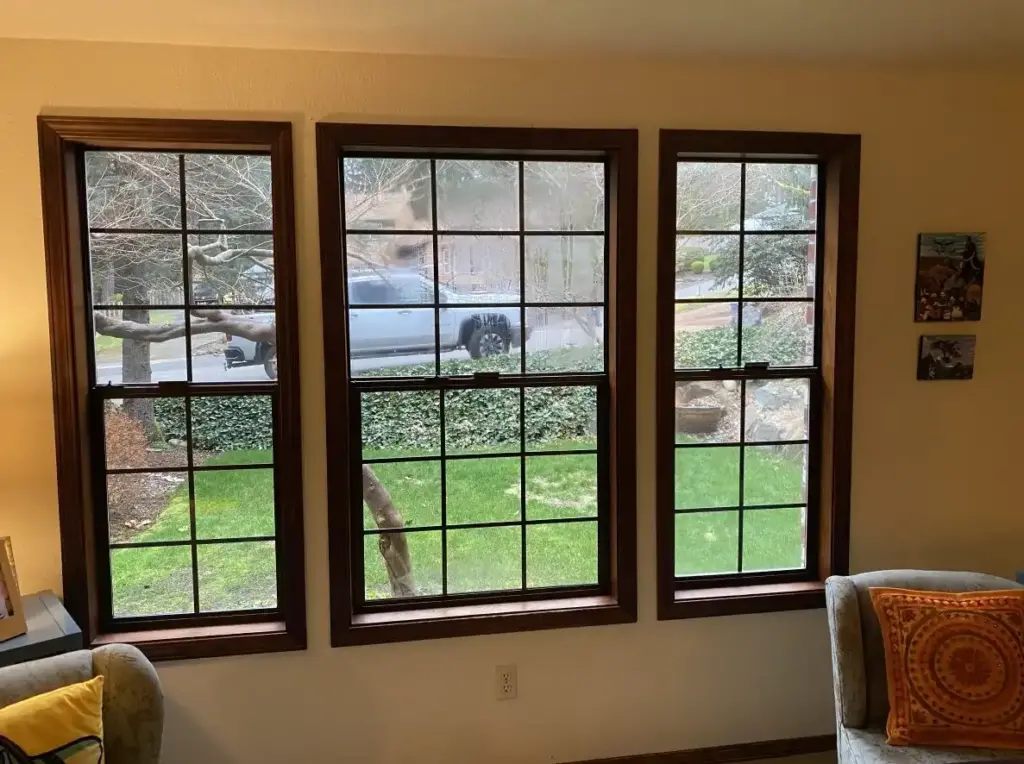
When it comes to home design, windows play a crucial role in not only letting in natural light but also enhancing the overall aesthetic of your space. One of the key elements that can significantly impact the look and feel of your windows is the grid style. With various options available, choosing the right window grid can elevate your home’s architecture and complement your personal style. In this post, we’ll explore different window grid styles and offer tips on how to find the best one for your home. Understanding Window Grids Window grids, also known as grilles or muntins, are the horizontal and vertical bars that divide window panes. They can create a classic, charming appearance or a sleek, modern look, depending on the style you choose. Grids can be installed on the exterior, interior, or even between the glass panes, affecting both aesthetics and maintenance. Popular Window Grid Styles 1. Colonial Grids Colonial grids are characterized by their traditional, symmetrical design, often featuring a rectangular pattern that divides the window into multiple smaller panes. This style is ideal for classic homes, particularly those built in the Colonial or Federal styles, adding a sense of history and elegance. 2. Prairie Grids Prairie grids, inspired by the Arts and Crafts movement, typically feature a more horizontal layout with wide, flat bars. This style emphasizes horizontal lines and can be a perfect match for Craftsman-style homes or bungalows, providing a relaxed and open feel. 3. Modern Grids For contemporary homes, modern grids offer a minimalist look with sleek lines and fewer divisions. These grids often feature large panes of glass with narrow, vertical or horizontal bars, creating a clean, streamlined appearance that allows for maximum natural light. 4. Diamond Grids Diamond grids are often seen in vintage or rustic homes, featuring a diamond pattern that adds a unique and charming touch. This style works beautifully in cottages or historic homes, bringing a sense of whimsy and character to the facade. 5. Custom Grids If you have a specific vision in mind, consider custom grids. This option allows you to design a grid pattern that fits perfectly with your home’s architecture and your personal taste, giving you the freedom to mix and match styles. Tips for Choosing the Right Window Grid Style 1. Consider Your Home’s Architecture The first step in selecting the best window grid style is to assess your home’s architectural design. Look for inspiration in the details of your home, such as moldings, doors, and rooflines. A grid style that complements these elements will create a cohesive look. 2. Think About Functionality Consider the purpose of your windows. If you’re aiming for maximum light and views, a more open grid style may be ideal. For areas where privacy is essential, a more intricate grid design might work better. 3. Match Your Interior Design Don’t forget to think about the interior of your home. Choose a grid style that complements your interior décor, whether it’s modern, rustic, or traditional. Consistency between your interior and exterior design will enhance your home’s overall appeal. 4. Evaluate Maintenance Needs Some grid styles may require more maintenance than others. For example, grids that are placed between the glass panes tend to be easier to clean and maintain, while exterior grids may collect dirt and require more frequent upkeep. 5. Get Professional Advice If you’re unsure about which style to choose, consult with a professional. Window experts can provide guidance based on your home’s design and your personal preferences, helping you make an informed decision. Conclusion Choosing the right window grid style can dramatically enhance the appearance of your home, adding character and charm. By considering your home’s architecture, functionality, and personal style, you can find the perfect grid design that transforms your windows into stunning focal points. Whether you lean towards the traditional Colonial grids or opt for sleek modern styles, the right choice will reflect your unique taste and elevate your home’s overall design. Happy decorating!
How to Install a Leak-Proof Window: A Step-by-Step Guide

Installing a window correctly is crucial to ensuring it performs well and remains leak-proof. A well-sealed window not only enhances the aesthetic appeal of your home but also improves energy efficiency and prevents water damage. In this guide, we’ll walk you through the steps to install a leak-proof window. Step 1: Gather Your Materials Before starting your installation, make sure you have the following tools and materials: Step 2: Measure the Opening Accurate measurements are essential for a proper fit. Measure the width and height of the window opening. If you’re replacing an old window, measure from the inside edge of the frame. Ensure that you have at least a quarter-inch clearance on all sides to accommodate shimming. Step 3: Prepare the Opening Step 4: Apply Waterproof Sealant Before placing the new window, apply a continuous bead of waterproof sealant to the bottom of the window opening. This will create a barrier to prevent water from seeping in. Step 5: Install the Window Step 6: Seal the Edges After securing the window, apply waterproof sealant around the exterior edges where the window meets the frame. This extra layer of protection will help prevent leaks. Step 7: Finish the Interior Inside the home, use trim or casing to finish the window installation. Caulk any gaps between the trim and the wall for a polished look and added protection against air leaks. Why Choose Will County Siding and Windows for Your Installation? While this guide provides a comprehensive overview of the window installation process, many homeowners prefer to leave such tasks to professionals. Here’s how Will County Siding and Windows can help: Get Started Today! If you’re considering a window replacement or installation, trust Will County Siding and Windows for professional results. Visit willcountysidingandwindows.com to learn more about our services, view product offerings, and schedule a consultation. Conclusion Installing a leak-proof window is an essential home improvement project that can save you money on energy bills and protect your home from water damage. By following the steps outlined in this guide, you can achieve a successful installation. However, for those who prefer the peace of mind that comes with professional help, Will County Siding and Windows is just a click away, ready to ensure your windows are installed flawlessly.
Black Windows: A Timeless Trend

Black windows have emerged as a captivating trend in home design, adding a touch of sophistication and modern elegance to any architectural style. Contrary to popular belief, this trend is not a passing fad but rather a timeless choice that complements various design aesthetics. Why Black Windows? Styling Black Windows Considerations In conclusion, black windows are a timeless trend that adds a touch of sophistication and modernity to any home. Their versatility, sophistication, and versatility make them a popular choice for homeowners seeking to elevate their home’s exterior. Whether you have a traditional or contemporary home, black windows can be a stylish and functional addition.
Replacement Windows 101: 13 Types of Windows for Your Home
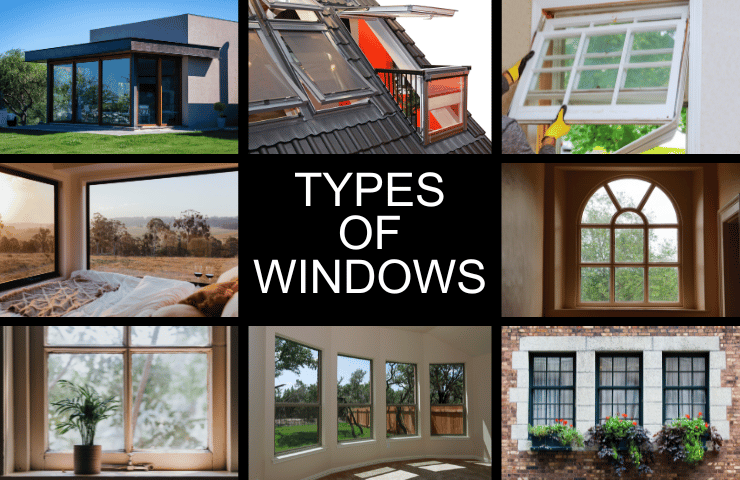
When it comes to home improvement, few upgrades are as impactful as replacing your windows. Not only can new windows enhance your home’s energy efficiency and aesthetic appeal, but they also improve comfort and security. With numerous types of windows to choose from, selecting the right ones can be daunting. To help simplify your decision-making process, we’ve created a comprehensive guide to 13 popular types of replacement windows, complete with their benefits, ideal applications, and considerations. 1. Double-Hung Windows Overview Double-hung windows are a staple in traditional home design, featuring two sashes that slide vertically within the window frame. Both sashes are operable, allowing you to open the top, bottom, or both sections simultaneously. Benefits Ideal Applications Double-hung windows are versatile and work well in most rooms, including living rooms, bedrooms, and kitchens. They are particularly suited for traditional and colonial-style homes. Considerations Ensure that the track system and sashes are well-maintained to avoid operational issues over time. Double-hung windows might not be the best choice for high-traffic areas where window operation might be impeded. 2. Single-Hung Windows Overview Single-hung windows are similar to double-hung windows but with a simplified design. They feature two sashes; however, only the bottom sash is operable while the top sash remains fixed. Benefits Ideal Applications Single-hung windows are ideal for homes with a more conservative design and are perfect for bedrooms, bathrooms, and other areas where enhanced security and energy efficiency are desired. Considerations Single-hung windows offer less ventilation flexibility compared to double-hung windows, which might limit airflow in some rooms. 3. Casement Windows Overview Casement windows are hinged on one side and open outward from the other side. They operate like a door, and many models feature a crank mechanism for easy operation. Benefits Ideal Applications Casement windows are ideal for areas where you want to maximize ventilation and where outward opening is practical. They are commonly used in kitchens, bathrooms, and as replacement windows in historical homes. Considerations Casement windows require adequate clearance to open fully, which might not be suitable for areas with limited space or in high-traffic zones. 4. Awning Windows Overview Awning windows are hinged at the top and open outward from the bottom. This design allows for ventilation while keeping rain and debris out. Benefits Ideal Applications Awning windows are well-suited for bathrooms, kitchens, and any room where you need ventilation but want to keep out rain. They also work well above doors or larger windows to provide additional light and airflow. Considerations Awning windows might not be ideal for rooms that require frequent access, as their outward-opening design could be obstructive. 5. Sliding Windows Overview Sliding windows operate horizontally along a track with one or more sashes that slide side to side. They offer a sleek, modern appearance and easy operation. Benefits Ideal Applications Sliding windows are perfect for contemporary homes, living rooms, and spaces where outward-opening windows would be impractical. They are also suitable for areas with limited wall space. Considerations Ensure that the tracks are well-maintained and free of debris to avoid operational issues. Sliding windows can sometimes accumulate dirt in the tracks, which requires regular cleaning. 6. Picture Windows Overview Picture windows are large, fixed panes of glass that do not open. They are designed to provide a clear, unobstructed view and to allow maximum natural light into the home. Benefits Ideal Applications Picture windows are ideal for living rooms, dining areas, or any space with a desirable view. They are often used in combination with other window types for enhanced functionality. Considerations Since they do not open, picture windows do not offer ventilation. They should be strategically placed to complement other operable windows for balanced airflow. 7. Bay Windows Overview Bay windows protrude outward from the home, creating a small alcove or nook inside. They typically consist of a large central window flanked by two smaller angled windows. Benefits Ideal Applications Bay windows are ideal for living rooms, dining rooms, and areas where additional interior space and natural light are desirable. They also enhance the exterior appearance of traditional-style homes. Considerations Bay windows can be more expensive to install and may require additional structural support. Ensure proper installation to prevent issues with insulation and water infiltration. 8. Bow Windows Overview Bow windows are similar to bay windows but feature a rounded appearance. They are made up of several windows arranged in a gentle curve, creating a panoramic view. Benefits Ideal Applications Bow windows are great for creating a bright, airy space in living rooms, sunrooms, or any room where you want to maximize views and light. They work well in both traditional and contemporary home styles. Considerations Bow windows can be more complex and costly to install due to their curved design. They may also require additional maintenance to ensure the integrity of the curved glass. 9. Garden Windows Overview Garden windows extend outward from the home and feature a glass roof and sides. They are designed to hold plants, herbs, or decorative items, making them a unique and functional addition. Benefits Ideal Applications Garden windows are perfect for kitchens, dining areas, or any space where you want to create a mini greenhouse effect. They add charm and functionality, especially in homes with a love for gardening. Considerations Garden windows require regular cleaning and maintenance to keep the glass clear and the plants healthy. They also extend outward from the home, which may impact exterior space and aesthetics. 10. Arched Windows Overview Arched windows feature a rounded or elliptical top, adding a distinctive architectural element to the home. They can be fixed or operable and are often used to enhance design features. Benefits Ideal Applications Arched windows are often used in entryways, above doors, or in spaces where you want to create a focal point. They work well in traditional and contemporary homes that benefit from elegant design elements. Considerations Arched windows can be more expensive to design and install due to their custom nature. Ensure proper alignment and sealing to avoid
Emergency Glass Replacement: Your How-To List for Broken Windows

Have you ever faced the hassle of broken windows? Storms can happen at any time, leaving your windows in shambles. And quick action is important for maintaining your home’s safety. Today, we’re taking a closer look into emergency glass replacement. We’ll cover the steps you should take and how to find a professional near you! Emergency Glass Replacement for Broken Windows Broken windows can happen for many reasons. Strong winds, accidents, or even a stray baseball can cause damage. No matter the cause, broken windows need immediate attention. For example, a broken window can let in rain, damaging your home’s interior. It also makes it easier for intruders to enter. Taking quick action helps maintain safety and comfort. If left unattended, the situation can worsen. First Steps After Discovering Broken Windows When you discover a broken window, your first priority should be safety. Start by clearing the area to avoid stepping on glass shards. Please wear gloves and shoes to protect yourself from cuts. Once the area is clear, consider securing the broken window to prevent further damage or injury. Using plywood or heavy plastic can serve as a temporary fix. This stops rain or intruders from getting inside. After securing the area, it’s time to clean up. Carefully pick up large pieces of glass and use a vacuum for smaller shards. Make sure to dispose of the broken glass safely. Taking these steps can help prevent bigger problems, because a temporary fix buys you time to decide on a permanent solution. Assessing the Damage After securing the area, it’s crucial to thoroughly assess the damage. Begin by closely inspecting the window to understand the extent of the breakage. The damage will likely be enough to warrant help from professionals—certainly if the window is shattered or there are large cracks. Your best option is to call in the experts. Checking the window frame is also essential. A damaged frame can compromise the window’s stability. Make sure the frame is intact and not warped or broken. If you notice any problems with the frame, it might need to be replaced. Consider the type of glass that’s broken. Some windows use standard glass, while others might have tempered or insulated glass. Knowing the type of glass can help you decide the best replacement options. Professional Glass Replacement Services In most cases, fixing a broken window yourself isn’t the best option. Large windows or specialty glass can be challenging to handle without professional help. If the damage is extensive, calling in experts might be safer and quicker. Professionals have the right tools and experience to handle complex window replacements. They can ensure the job is done correctly, avoiding potential issues later. Hiring professionals can save you time and reduce stress. It’s also a good idea if the window is in a high or hard-to-reach place. Trying to fix such windows on your own can be dangerous. Professionals are trained to work in these conditions safely. Another benefit is that they can provide a warranty for their work. This gives you peace of mind, knowing their work is guaranteed. If you’re unsure about your ability to fix the window or if the damage is significant, calling a professional is the best choice. This ensures the replacement is done right, keeping your home safe and secure. Choosing the Right Glass Replacement Services Finding the right glass replacement service can make a big difference in the quality of the work. Start by looking for companies with good reviews and a solid reputation. Check online reviews and ask for recommendations from friends or neighbors. Experience matters, so choose a company that has been in business for a while and has a proven track record. Consider the range of services offered. Some companies specialize in emergency glass replacement, while others might focus on regular maintenance and repairs. Make sure the company you choose can handle your specific needs. Also, ask about their response time. Quick service is important, especially in an emergency. Cost is another factor to consider. Get quotes from a few different companies to compare prices. But remember, the cheapest option isn’t always the best. Look for a balance between cost and quality. Ask about any warranties or guarantees they offer. A good warranty can give you peace of mind, knowing that the work is covered if any issues arise. Finally, check if the company is licensed and insured. This protects you in case of accidents or damage during the replacement process. Licensed and insured companies are more likely to follow industry standards and provide reliable service. Preventing Future Window Breakage Regular maintenance and inspections can help you spot potential problems before they become serious. Check your windows periodically for cracks or other signs of wear. Addressing these issues early can prevent them from worsening. Using high-quality materials for your windows is also key. Stronger glass and durable frames are less likely to break. Consider investing in tempered glass, which is more resistant to impact than regular glass. Proper professional installation ensures that your windows are securely fitted and less prone to damage. Avoid playing sports or doing activities that might cause accidental impacts near your windows. Landscaping can also play a role in protecting your windows. Trim branches and bushes that might pose a risk during storms. Glass Replacement Services Emergency glass replacement is vital for keeping your home safe and secure. When you go through professionals, addressing broken windows promptly ensures peace of mind. Will County Siding and Windows is family-owned and one of the oldest and most reliable companies in Will County, Illinois. We provide high-quality products and installation services for windows, gutters, doors, and more! Get in touch today to learn how we can help with your broken windows!