
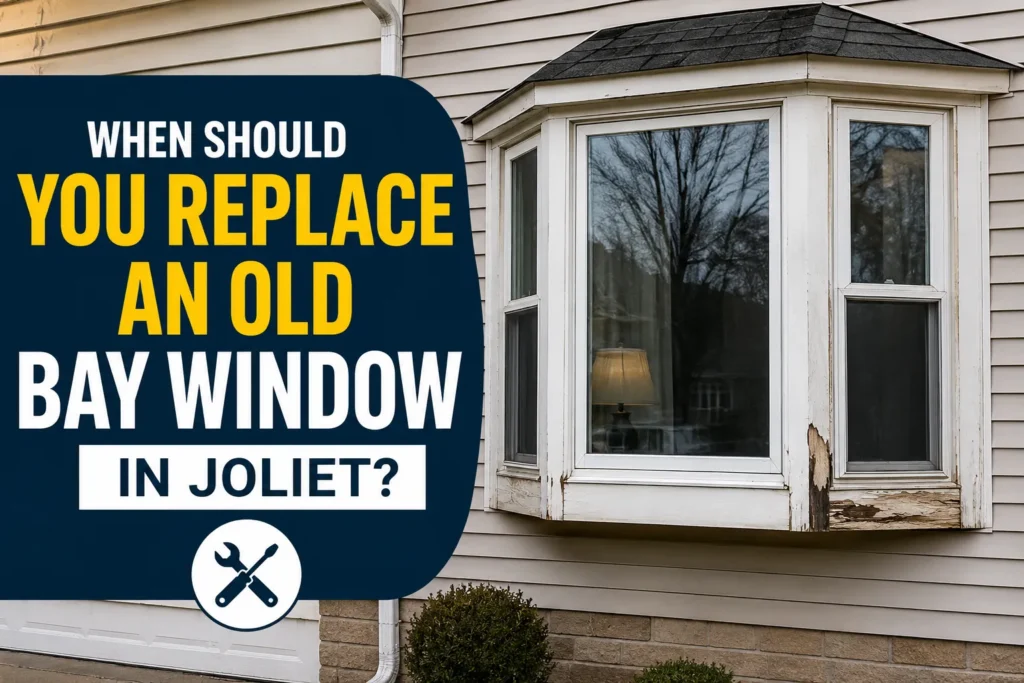
Bay windows can become one of the most noticeable features of a home. They bring in natural light, provide a wider outdoor view, and create additional space inside the room. However, because they extend outward from the exterior wall, they also have more joints, seals, and exposed surfaces than a standard window.
When an older bay window starts developing problems, homeowners often face a difficult question: should it be repaired, or is replacement the better option?
For homeowners considering Bay Window Replacement Joliet services, the answer usually depends on the age of the window, the type of damage, and whether the problem affects one small component or the entire window system.
Minor Problems May Still Be Worth Repairing
Not every issue requires a complete replacement. A bay window may still be repairable if the frame and glass units remain in good overall condition.
Minor problems that could potentially be repaired include:
- Worn exterior caulking
- A damaged lock or handle
- Small areas of trim damage
- A single hardware problem
- Minor gaps around the exterior finish
Repairs can make sense when the problem is isolated and the window still opens, closes, and seals properly. However, repeated repairs on an ageing window may eventually become less practical.
Persistent Drafts Can Point to a Bigger Problem
A draft around a bay window does not always mean the entire unit needs to be replaced. Sometimes, old caulking or a small gap around the frame is responsible.
However, persistent air leaks can indicate failed seals, warped frames, poor installation, or deterioration around the window opening. If the room feels noticeably colder near the bay window during winter or warmer during summer, the window may no longer be performing efficiently.
During a joliet window replacement assessment, it is important to identify whether the air is entering through a small repairable gap or through multiple parts of the ageing window.
Condensation Between Glass Panes Is a Warning Sign
Condensation on the interior surface of glass can occur because of indoor humidity. Moisture trapped between panes of glass is different.
Fogging or condensation inside an insulated glass unit usually means the seal has failed. Once this happens, the window may lose some of its insulating performance.
If only one section of a relatively new bay window is affected, replacing the glass unit may be possible. When several sections have failed or the window is already old, full replacement may provide a more practical long-term solution.
Water Damage Should Never Be Ignored
Water stains, soft wood, peeling paint, mould, or swelling around a bay window can indicate moisture intrusion. Since bay windows project beyond the exterior wall, proper flashing and sealing are especially important.
Water may enter through damaged caulking, failed flashing, deteriorated roofing above the window, or gaps around the frame.
Surface-level damage may be repairable, but widespread rot around the frame or supporting structure can make replacement necessary. Installing a new window without addressing the original source of the leak can also allow the problem to return.
Difficulty Opening and Closing the Window Matters
Many bay windows include operating side windows for ventilation. Over time, these sections may become difficult to open or close because of worn hardware, frame movement, or warping.
A simple hardware issue may be repairable. However, if the frame has shifted or deteriorated, forcing the window open and closed may create additional damage.
Professional window installation Joliet homeowners consider should ensure that the replacement unit is properly supported, level, sealed, and integrated with the surrounding exterior materials.
Consider the Overall Age of the Bay Window
Age should be considered alongside the visible damage. An older bay window with failed seals, recurring drafts, difficult operation, and moisture problems may continue to need repairs.
Replacement may make more sense when:
- Multiple glass seals have failed
- The frame has significant rot or warping
- Water damage keeps returning
- Several sections are difficult to operate
- The window has ongoing air leaks
- Replacement parts are difficult to find
A newer window with one isolated issue may still be worth repairing.
Repair the Problem or Replace the Whole Window?
The decision should be based on the condition of the entire bay window rather than one visible symptom. Small hardware, caulking, or trim problems can often be repaired. Widespread frame damage, recurring leaks, failed glass seals, and multiple performance issues may point towards replacement.
Before choosing either option, the window and surrounding exterior should be inspected carefully. Finding the actual cause of the damage can help homeowners avoid paying for repeated repairs that do not solve the underlying problem.
A well-planned replacement can restore the view, natural light, ventilation, and comfort that made the bay window valuable in the first place.