
When it comes time to upgrade the exterior of your home, replacing old, drafty windows is one of the most impactful decisions you can make. Not only does a new set of windows drastically improve your home’s curb appeal, but it also fundamentally changes how your house regulates temperature and sound. However, as you begin shopping, you will quickly encounter the industry’s most common dilemma: should you choose double-pane or triple-pane windows?
Both options offer a massive leap in performance compared to legacy single-pane glass, but they serve entirely different homeowner needs. Understanding the structural differences, upfront investments, and long-term advantages is crucial. Let’s break down the costs and benefits of triple pane vs. double pane windows so you can make an informed decision for your next home improvement project.
Understanding the Anatomy of Modern Windows
Before diving into the cost differences, it helps to understand how these modern windows are constructed. The days of single sheets of glass separating your living room from the freezing winter air are long gone.
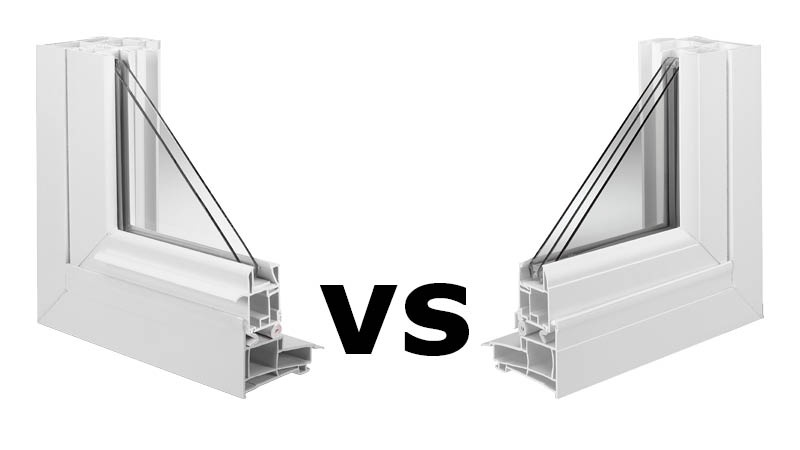
Double-Pane Windows: As the name suggests, these feature two panes of glass separated by a spacer. The gap between the panes is typically filled with an insulating gas, usually argon or krypton, and completely sealed. This trapped gas acts as a thermal barrier, slowing down the transfer of heat.
Triple-Pane Windows: These take the same concept and add an additional layer of glass and a second spacer, creating two distinct gas-filled chambers. Furthermore, both double and triple-pane options usually come treated with Low-E (low-emissivity) coatings, which reflect infrared light, keeping heat inside during the winter and outside during the summer.
The Energy Efficiency Showdown
Window efficiency is generally measured by its U-factor (the rate of heat loss). The lower the U-factor, the better the window insulates. A standard double-pane window typically boasts a U-factor around 0.30, which is highly efficient for most moderate climates. However, a triple-pane window can push that U-factor down to 0.15 or lower, offering up to 20% to 30% more energy efficiency than its double-pane counterpart.
If you live in a region that experiences harsh, freezing winters, that extra pane of glass helps maintain a consistent internal temperature, meaning your HVAC system doesn’t have to work overtime. Ultimately, understanding how new windows can help you save energy and lower bills is about recognizing how improved insulation translates to month-over-month utility savings.
The primary reason homeowners look to upgrade their windows is to combat uncomfortable drafts and rising utility rates. Both window styles will drastically improve your home’s thermal envelope, but triple-pane windows are the undisputed champions of insulation.
Maximizing Home Comfort and Noise Reduction
Energy savings aren’t the only metric by which to judge your new windows. Comfort and tranquility play a massive role in your daily life.
Because triple-pane windows have an extra layer of glass and an additional pocket of dense insulating gas, they are exceptionally good at soundproofing. If you live near a busy street, an airport, or in a noisy neighborhood, the acoustic dampening provided by a triple-pane system can be life-changing.
Additionally, the interior pane of glass on a triple-pane window will stay closer to your room’s ambient temperature. In the dead of winter, sitting next to a double-pane window might still feel slightly cool to the touch. With a triple-pane window, you will not feel that radiant chill, allowing you to comfortably utilize every square foot of your living space regardless of the weather outside.
Comparing the Costs: Is the Upgrade Worth It?
The enhanced performance of triple-pane glass does come with a higher price tag. Because they require more materials, extra glass, additional gas, and heavier, reinforced frames to support the added weight—triple-pane windows generally cost 15% to 40% more upfront than high-quality double-pane options.
When evaluating the window replacement cost, you have to look at your return on investment (ROI). Will the utility savings from a triple-pane window offset the initial premium?
If you plan to stay in your home for the next 15 to 20 years, the compounded energy savings, combined with the protection against rising energy rates, can make triple-pane windows a financially sound investment. However, if you plan to sell your home in the next five years, top-tier double-pane windows with Low-E coatings and argon gas will still provide excellent performance, massive aesthetic upgrades, and a fantastic boost to your property value at a more manageable price point.
Making the Right Choice for Your Home
Choosing between double and triple-pane windows ultimately comes down to your budget, your environment, and your long-term goals for the property. Double-pane windows remain the industry standard for a reason: they are cost-effective, highly reliable, and provide a massive upgrade over older single-pane models. They are the perfect middle ground for the vast majority of homeowners.
Conversely, if maximum energy efficiency, ultimate sound reduction, and premium comfort are your top priorities, upgrading to triple-pane is the way to go.
Whether you are looking to install standard double-pane sliders or premium triple-pane bay windows, partnering with a trusted local installer is the key to ensuring maximum performance. A poorly installed triple-pane window will perform worse than a perfectly installed double-pane one. If you are ready to upgrade your home’s exterior, reaching out to experts specializing in Joliet window replacement ensures you get the flawless installation and long-lasting warranties necessary to protect your investment for decades to come.