
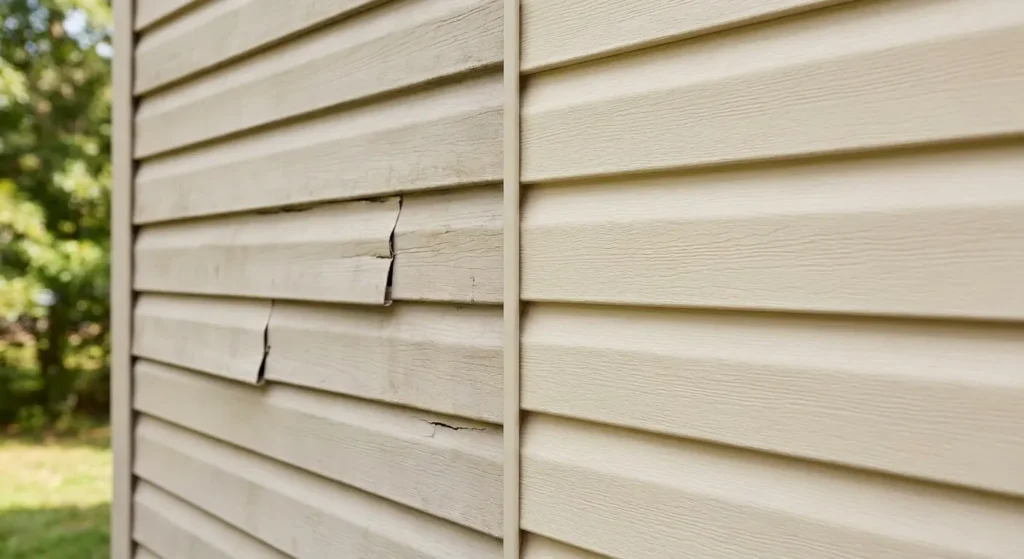
Damaged siding does not always mean the entire exterior of your home needs to be replaced. In many cases, a few cracked, loose, or damaged panels can be repaired without disturbing the rest of the siding. However, there are situations where repeated repairs only delay the need for a more complete solution.
For homeowners considering siding repair Joliet services, the right choice usually depends on the extent of the damage, the age of the siding, and what is happening beneath the visible surface.
When Can Damaged Siding Be Repaired?
Localised damage is usually the best candidate for repair. A storm may loosen a few siding panels, an impact may crack a small section, or one area may begin to warp because of heat exposure. If the rest of the exterior cladding is in good condition, replacing only the affected section can make sense.
Common siding problems that may be repairable include:
- A small number of cracked or broken panels
- Loose siding after strong winds
- Minor holes or impact damage
- Damage limited to one side of the house
- Individual panels that have become warped
Vinyl siding repair Joliet may also be possible when matching replacement panels are available. This is important because older siding can fade over time. Even if a new panel is technically the same colour, it may look noticeably different next to siding that has been exposed to sunlight for many years.
Signs Siding Damage May Be More Serious
The damage visible from outside does not always tell the full story. Siding helps protect the structure of a home from rain, wind, moisture, and changing temperatures. When it fails across a larger area, problems can develop behind the panels.
Soft spots, recurring mould, peeling interior paint, water stains, or a persistent musty smell may indicate moisture intrusion. If several sections are loose, warped, or deteriorating, repairing one panel at a time may not solve the underlying problem.
A professional siding inspection can help identify whether the issue is limited to the surface or whether the weather barrier, insulation, or wall beneath the siding has also been affected.
When Is Siding Replacement the Better Option?
Full siding replacement is often worth considering when damage is widespread. If multiple areas need attention, the combined cost of repeated repairs can become less practical than replacing the ageing exterior.
A siding Replacement Joliet project may be the better option when:
- The siding is near the end of its expected lifespan
- Large areas are cracked, warped, or loose
- Moisture damage is found behind the panels
- Repairs have already been carried out several times
- Matching replacement materials are no longer available
- The home has ongoing drafts or exterior insulation concerns
Replacement can also create an opportunity to inspect the entire exterior wall system and address hidden damage before new siding is installed.
Repair or Replace? Consider the Age of Your Siding
Age is one of the most important factors in the decision. Relatively new siding with isolated storm or impact damage is often worth repairing. Older siding with repeated cracking, fading, warping, and loose sections may continue to develop new problems even after one area is fixed.
Homeowners should also consider the overall condition of the exterior. Damaged soffits, fascia, gutters, or window edges can sometimes contribute to moisture problems around the siding. Looking at the entire exterior system can prevent the same damage from returning.
Get the Right Solution for Your Home
The choice between siding repair and full replacement should be based on the actual condition of the home, not just the most visible damaged panel. Small, isolated problems can often be repaired effectively, while widespread deterioration may require a more complete approach.
If you notice cracked panels, loose sections, moisture stains, warping, or other signs of exterior damage, having the siding inspected early can help prevent a smaller issue from becoming a more expensive problem. The sooner the cause is identified, the easier it is to decide whether a targeted repair or full replacement will provide better long-term protection.